 SEO
SEO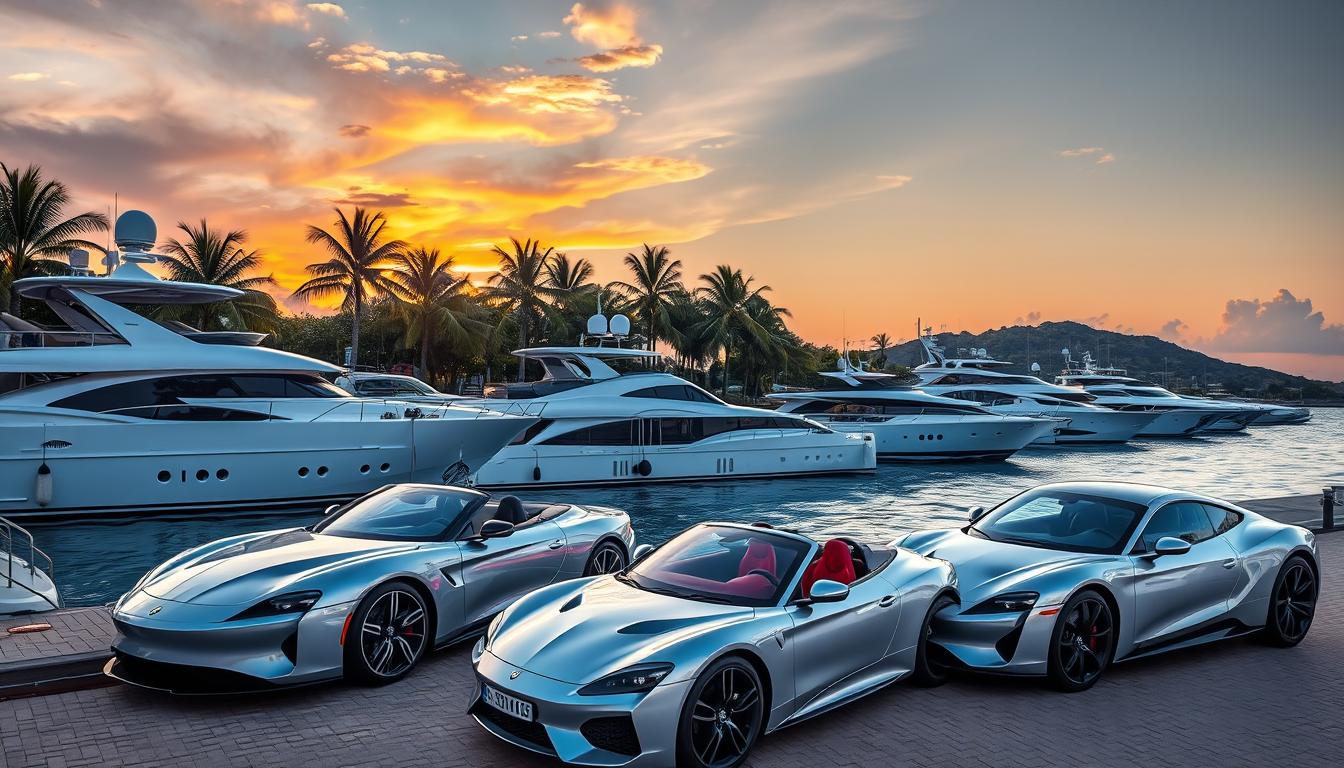
Luxury is more than just opulence and wealth; it is an experience, a symbol of sophistication, and an expression of the finest craftsmanship. Whether in fashion, travel, automobiles Luxury , or real estate, luxury represents the pinnacle of comfort and exclusivity. This article explores the definition of luxury, its evolution, and its influence on different industries, shaping the way people perceive and aspire to high-end living.
The definition of Luxury
Luxury is often associated with extravagance, high quality, and exceptional service. However, it is not merely about owning expensive items but about enjoying unique experiences and superior craftsmanship. True luxury embodies exclusivity, personalization, and a seamless blend of tradition and innovation.
Luxury is not just about price; it is about the story behind the brand, the attention to detail, and the experience that accompanies a product or service. Whether it’s a handcrafted watch, a limited-edition sports car, or a bespoke vacation, luxury represents a lifestyle rather than just a material possession.
The Evolution of Luxury
Luxury has existed for centuries, evolving alongside human civilization. In ancient times, luxury was reserved for royalty and the elite, with access to fine jewelry, lavish palaces, and exclusive fabrics. The Renaissance period saw the rise of artisans and designers who crafted exquisite goods for nobility.
During the Industrial Revolution, mass production made high-quality goods more accessible, yet true luxury remained exclusive to those who sought handcrafted and customized products. Today, luxury continues to evolve, integrating sustainability, digital experiences, and personalization to meet modern demands.
Luxury in different Industries
Luxury spans multiple industries, each offering unique and extravagant experiences tailored to discerning clientele.
1. Fashion and Accessories
Luxury fashion brands, such as Chanel, Louis Vuitton, and Gucci, are known for their impeccable craftsmanship, premium materials, and timeless designs. These brands set trends in haute couture and influence global fashion standards.
Accessories, including designer handbags, fine jewelry, and high-end watches, further define personal style. Brands like Rolex, Cartier, and Hermès symbolize status and refinement, making their products highly sought after.
2. Travel and Hospitality
Luxury travel goes beyond five-star accommodations; it is about curated experiences, personalized services, and exclusivity. Private jet charters, luxury yachts, and opulent resorts in exotic locations define high-end travel.
Hotels like the Ritz-Carlton, Aman Resorts, and the Four Seasons offer world-class services, including private villas, Michelin-starred dining, and personal concierge services, ensuring an unparalleled travel experience.
3. Automobiles and Yachting
Luxury automobiles represent a perfect blend of performance, design, and exclusivity. Brands such as Rolls-Royce, Bentley, and Bugatti craft vehicles with meticulous attention to detail, offering a seamless fusion of technology and elegance.
Similarly, luxury yachts provide an elite experience on the water, with custom-built designs, state-of-the-art amenities, and personalized crew services. Owning or chartering a luxury yacht is the epitome of lavish living.
4. Real estate and Interior Design
Luxury real estate is defined by location, architecture, and amenities. Exclusive properties in cities like New york, London, and Dubai feature panoramic views, state-of-the-art security, and bespoke interior designs.
High-end interior design includes custom furniture, smart home technology, and curated art collections, transforming living spaces into a true expression of elegance and comfort.
5. Fine Dining and Gastronomy
Luxury dining is an art that combines culinary expertise, rare ingredients, and an immersive experience. Michelin-starred restaurants, private dining clubs, and exclusive wine tastings cater to those who appreciate gourmet excellence.
Brands like Dom Pérignon, Château Margaux, and Patek Philippe’s exclusive timepieces reflect a lifestyle where attention to detail and heritage are paramount.
The future of Luxury: Sustainability and Innovation
The definition of luxury is shifting with time, integrating sustainability and technology to align with modern values. Ethical sourcing, eco-friendly materials, and responsible production are becoming integral to luxury brands.
Digitalization is also playing a role, with virtual experiences, NFTs (non-fungible tokens), and AI-driven personalization shaping the luxury market. Brands are embracing innovation to offer seamless digital experiences while maintaining exclusivity.
Conclusion
Luxury is an evolving concept that goes beyond material wealth; it is about unique experiences, superior craftsmanship, and timeless elegance. Whether in fashion, travel, automobiles, real estate, or dining, luxury remains a symbol of status and refined taste. As the industry adapts to sustainability and digital advancements, luxury continues to redefine itself, ensuring its relevance in an ever-changing world.

 John
John