In a world where energy needs grow relentlessly, the landscape of household energy solutions is evolving—challenging the very essence of how we store and use power. As we explore the dynamics of energy technology, one cannot help but wonder: what happens when traditional energy solutions meet China’s household energy storage system? This system, a beacon of modern innovation, promises to reshape energy consumption patterns, reduce dependence on the grid, and enhance energy independence for families across the nation. But does this blend hold the key to a more sustainable future or simply trade one set of challenges for another?
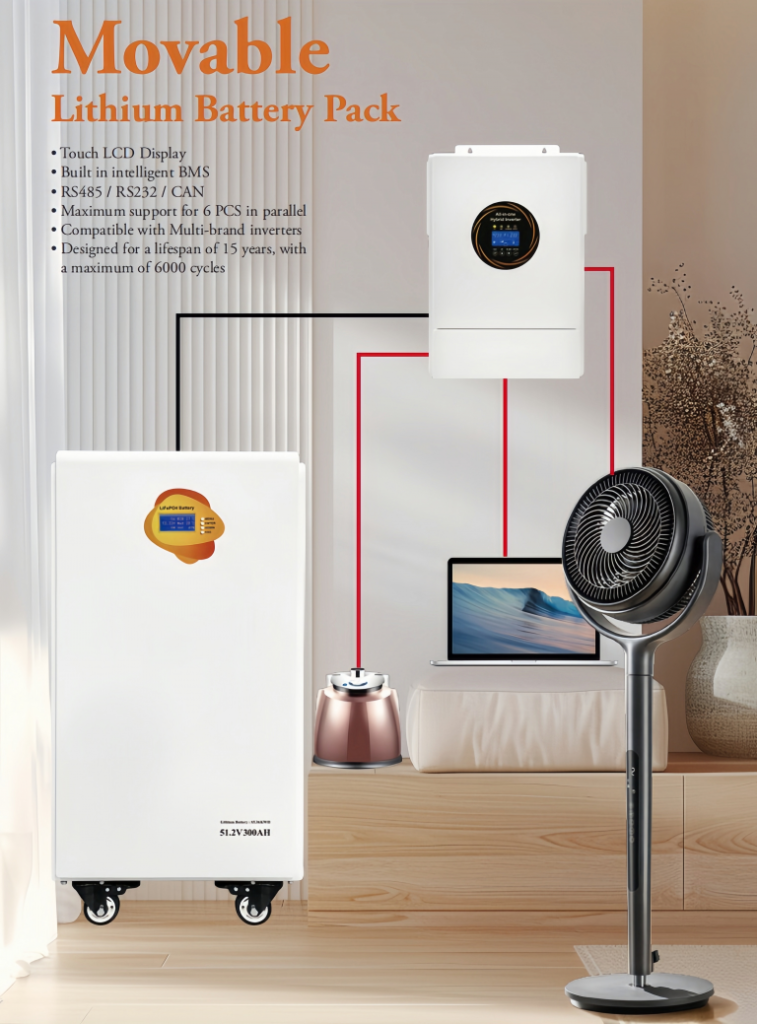
A Shift in Energy Paradigms
The traditional energy solutions we’ve relied upon for years often come with significant flaws. Power outages, environmental concerns, and escalating utility costs shine a harsh light on their inadequacies. For instance, I vividly recall a snowstorm in Beijing last winter, where families were left in the cold—literally—due to prolonged blackouts. This scenario highlights a critical need for reliable energy sources. China’s household energy storage system offers a promising answer, allowing homeowners to store energy and access it when needed. With household energy storage exporters leading the way, we’re witnessing a significant shift toward autonomy in energy management.
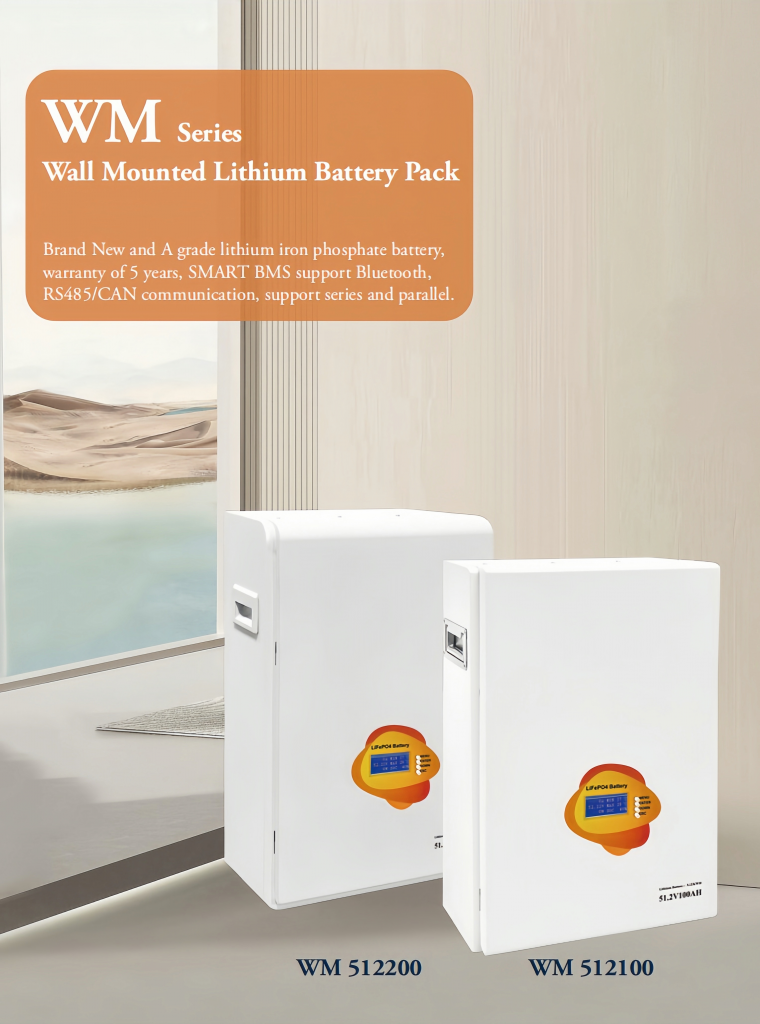
Can They Coexist?
Thinking about this predicament, I can’t help but ask: can traditional solutions and modern storage systems coexist? The answer isn’t straightforward. Traditional systems, while familiar, impose constraints that hamper innovation and sustainability. They often lead to increased carbon emissions and are subject to the unpredictable nature of fossil fuels. However, China’s household energy storage systems are giving rise to an era where renewables and self-sufficiency can flourish hand in hand. This advance not only addresses environmental concerns but also provides peace of mind to families looking to reduce costs. I firmly believe we are on the cusp of a revolution—a transformation of energy lifelines.
What’s Next?
Looking towards the future, experts and consumers alike are excited about potential breakthroughs. Picture a time when energy independence is no longer a dream but a reality. I watch as advancements in battery technology continue to roll out, promising longer life cycles and higher capacities that will make systems like these remarkably efficient. Moreover, improved compatibility with renewable sources, such as solar panels, potentially elevates household energy storage efficiency to unprecedented heights. And here’s where household energy storage exporters play a crucial role by implementing innovative designs and production techniques that push these systems into mainstream homes.
As I connect with industry leaders and local retailers, it’s clear that many are eager to explore the possibilities of integrating traditional methods with advanced storage systems. This forward-thinking approach could usher in an era marked by energy resilience and sustainability, benefitting consumers and the environment alike. Every question explored, every solution tested, brings us closer to understanding what efficient energy consumption truly means for our generation.
Lessons Learned
Reflecting on the journey so far, it’s evident that adaptation is key in navigating the realm of energy solutions. I’ve learned that adopting a flexible approach, evaluating the benefits of integrating modern storage systems with traditional solutions, can yield impressive results. Cost-effectiveness, energy resilience, and environmental impact should be core metrics driving decision-making in household energy management. With this dynamic landscape, I genuinely believe the path is unfolding before us, rich with opportunities for those who dare to dream.
In closing, I can’t help but reminisce about the first time I witnessed a household energy storage system in action—it was awe-inspiring. As we connect with innovative brands like THOE, we are reminded of the power of perseverance and imagination in crafting the energy solutions of tomorrow. Our growing reliance on these systems is not just a trend; it’s a lifestyle change ripe with promise and potential.