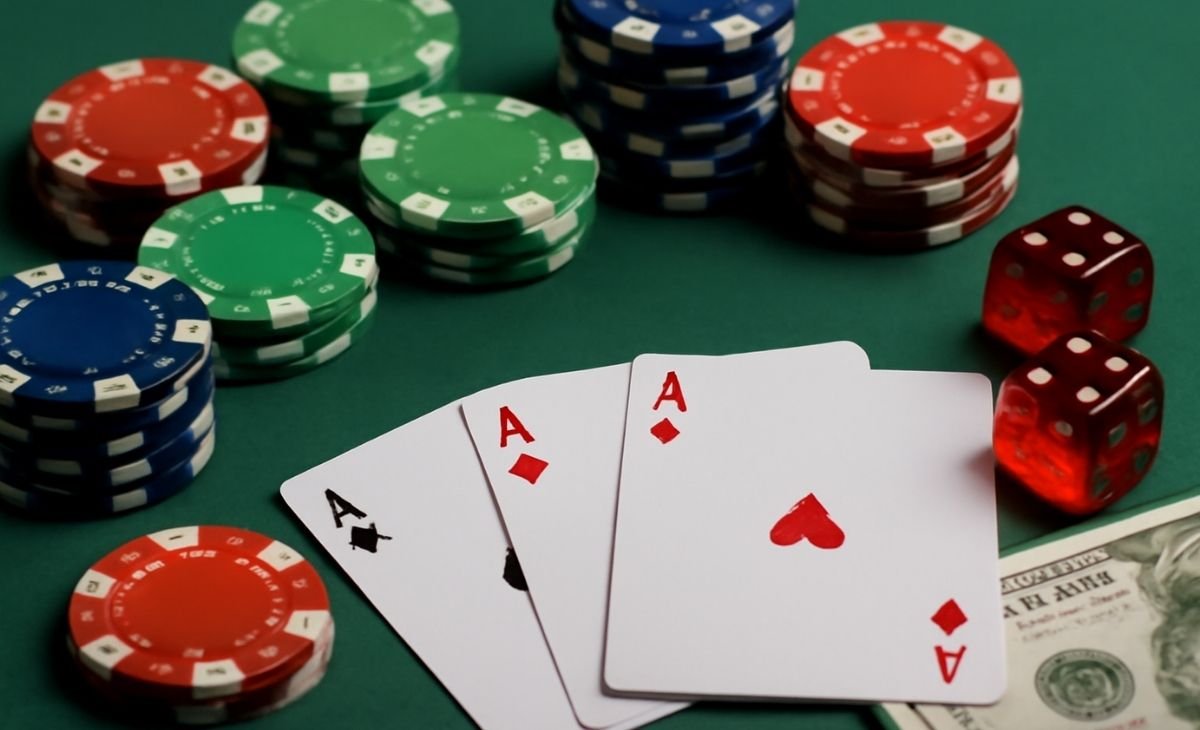
What Gambling Means In Everyday Life
Gambling is commonly described as an activity based on chance, where the result cannot be fully predicted or controlled. In simple terms, it involves making a choice with an Togelsumo outcome. Because the final result depends on luck rather than skill, gambling is often discussed as a risky behavior. Today, gambling is not only a personal matter but also a topic of social discussion, education, and public awareness.
The Long History Of Gambling Activities
Gambling is not a new concept. It has existed for thousands of years across different civilizations. Ancient societies used basic objects like stones, shells, or dice for games of chance. These activities were often part of social events, celebrations, or traditions. Over time, gambling evolved along with human culture, reflecting curiosity about fate, luck, and uncertainty. This long history shows that gambling has always been connected to human behavior.
How Gambling Appears In the Modern World
In modern society, gambling is more visible due to media, technology, and global communication. Discussions about gambling can be found in books, documentaries, news articles, and educational programs. Instead of being viewed only as entertainment, gambling is now widely recognized as a topic that affects decision-making, mental health, and social relationships. This shift encourages people to think more critically about risk and responsibility.
Psychological Reasons Gambling Feels Appealing
One reason gambling attracts attention is its psychological impact. Uncertainty creates excitement and anticipation, which are natural human emotions. Waiting for an unknown result can feel thrilling, even when the outcome is not guaranteed. However, strong emotional responses can sometimes cloud judgment. Understanding these psychological reactions helps explain why gambling can be tempting while also carrying potential risks.
Personal Effects Of Gambling Behavior
Gambling can influence individuals in several ways. When someone focuses too much on uncertain outcomes, important parts of daily life may be neglected. School, work, hobbies, and personal goals can lose importance. Over time, this imbalance may cause stress, frustration, or emotional discomfort. Recognizing these effects early is important for maintaining a healthy and organized lifestyle.
Social Impact on Families And Communities
The effects of gambling are not limited to individuals. Families and communities may also feel the impact. Differences in opinions about gambling can create tension or misunderstanding. Trust and communication may weaken if people are not open or respectful when discussing the topic. Strong family bonds and community support help reduce negative effects and encourage responsible thinking.
Cultural Views On Gambling Across Societies
Different cultures view gambling in different ways. Some cultures see games of chance as simple entertainment, while others consider gambling harmful or irresponsible. These views are shaped by traditions, moral beliefs, and social values. Cultural understanding helps explain why gambling is accepted in some places and discouraged in others.
Legal Perspectives And Public Protection
Many countries have laws that regulate or restrict gambling. These laws are created to protect individuals and society from harm. Legal rules often reflect cultural values and public concerns. Knowing that regulations exist helps people understand the importance of responsibility and the reasons behind legal boundaries.
Why Education About Gambling Matters
Education plays a major role in helping people understand gambling clearly. Informational discussions focus on awareness, consequences, and responsible thinking. Education does not promote gambling but explains how chance, risk, and decision-making work. When people are informed, they are better prepared to make thoughtful and safe choices in many areas of life.
Young People And Responsible Understanding
Young people are often exposed to information quickly through digital platforms. Without proper guidance, gambling-related information may be misunderstood. Parents, teachers, and mentors play an important role in explaining risks in a clear and age-appropriate way. Early education supports healthy habits and better decision-making skills.
Media Influence On Public Awareness
Media strongly shapes how gambling is perceived. Responsible media focuses on facts, education, and real-life effects. Balanced information helps people understand the topic without creating unrealistic expectations. Media literacy allows audiences to question and analyze messages instead of accepting them without thought.
Healthy Alternatives To Risk-Based Choices
There are many positive activities that offer enjoyment without uncertainty. Sports, creative arts, reading, learning new skills, and volunteering provide satisfaction and growth. These activities support mental well-being and personal development. Choosing constructive hobbies encourages long-term happiness and confidence.
Building Self Awareness And Life Balance
Self-awareness is key when facing any situation involving risk. Understanding personal limits, values, and goals helps people make better decisions. Balance between curiosity, responsibility, and well-being leads to a healthier lifestyle. Thoughtful choices support stability and personal growth.
Final Thoughts on Gambling And Awareness
Gambling is a complex topic influenced by history, psychology, culture, and law. While it has existed for centuries, modern discussions focus on awareness and responsibility. By learning about risks, respecting cultural values, and choosing positive alternatives, individuals and communities can promote healthier perspectives. Education, balance, and self-awareness help create a safer and more informed approach to life.