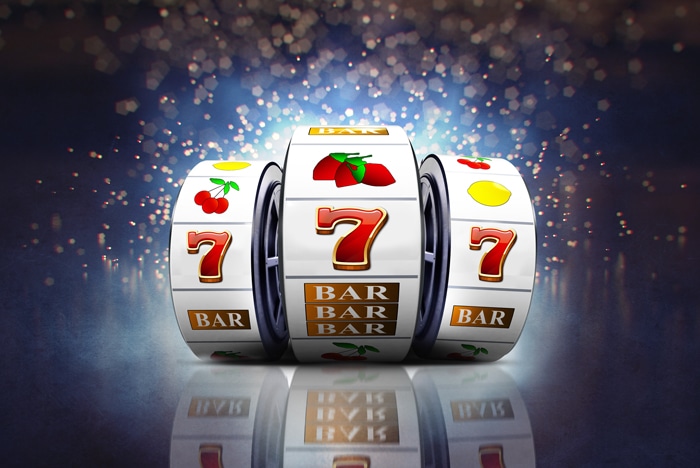
Slot machines have come a long way since their humble beginnings in the late 19th century. Originally developed as mechanical devices with limited functionality, they have evolved intoslot Gracor digital entertainment powerhouses that dominate both physical and online casinos. This transformation didn’t happen overnight but through decades of innovation, technological advancements, and changing player expectations. Today, slots are more than just games of chance—they’re immersive experiences that blend art, technology, and entertainment.
The first slot machine, the Liberty Bell, was invented by Charles Fey in 1895. This mechanical marvel featured three spinning reels, a lever to initiate the game, and symbols such as horseshoes, stars, and bells. The goal was simple: line up three Liberty Bell symbols to win the top prize. These early machines were purely mechanical, operated by springs and gears, and offered limited betting options. Still, they captivated players with their simplicity and potential for instant rewards.
By the 1960s and 70s, the slot machine underwent its first major transformation with the advent of electromechanical technology. This allowed for more sophisticated features such as flashing lights, multiple paylines, and bigger jackpots. Bally Manufacturing’s “Money Honey,” released in 1963, was the first fully electromechanical slot, setting the stage for more complex games. Players were no longer limited to one line of symbols; instead, they could now win across various combinations, increasing both excitement and engagement.
The 1990s marked a revolutionary leap forward with the introduction of video slot machines. These machines replaced physical reels with virtual screens and utilized Random Number Generator (RNG) software to ensure fair play. The use of digital displays opened the door for elaborate themes, bonus rounds, animated graphics, and engaging sound effects. Suddenly, slot games became more like interactive video games, offering a deeper level of immersion and appeal to a broader audience.
With the rise of the internet and mobile technology, slots entered the online era, becoming one of the most played categories in digital casinos. Players could now enjoy their favorite slot games anytime and anywhere, with thousands of themes and formats at their fingertips. Developers introduced innovations like progressive jackpots, where multiple players contribute to a shared prize pool, and branded slots featuring popular movies, TV shows, and celebrities. Mobile optimization also made gameplay smoother and more accessible on smartphones and tablets, further boosting their popularity.
Today in 2025, slot machines continue to evolve with cutting-edge technologies such as augmented reality (AR) and blockchain-based fairness verification. Some platforms are experimenting with virtual reality (VR) casinos, where players can walk through digital gaming halls and interact with slot machines in real time. With each technological breakthrough, the line between gaming and gambling blurs even further. From the mechanical reels of the Liberty Bell to today’s immersive video slots, the journey of the slot machine reflects the larger evolution of the gaming industry itself—one that continues to blend innovation with timeless excitement.