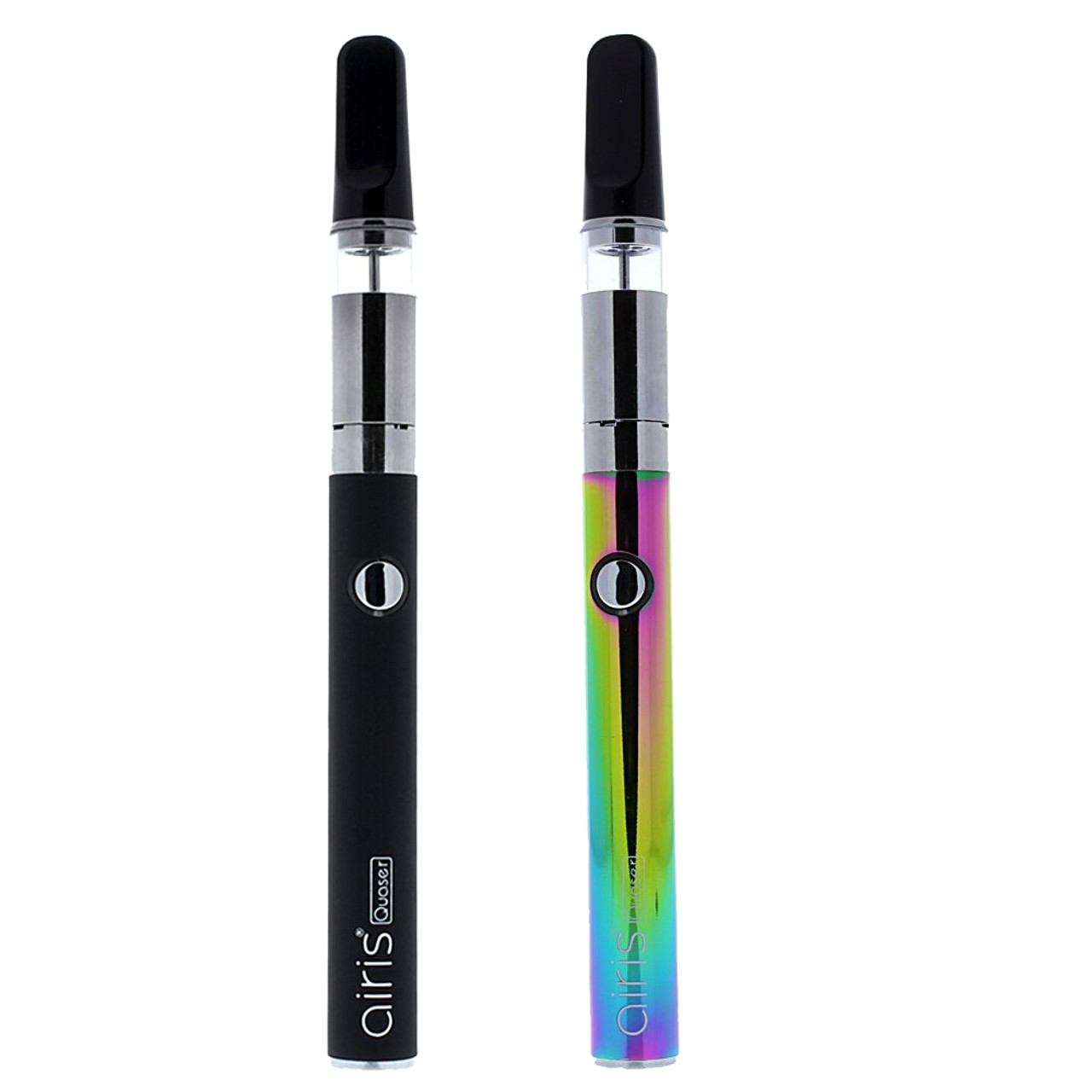
Over the past decade, vaping has grown from a niche hobby to a mainstream activity, embraced by millions worldwide. Initially marketed as a tool to help smokers quit, vaping has evolved into a cultural phenomenon that appeals to various groups, from former smokers to young people trying nicotine for the first time Dab Pen . With its sleek devices, customizable options, and a wide variety of enticing flavors, vaping has rapidly gained popularity. However, behind the colorful clouds of vapor, serious questions remain about its health risks and long-term impact on society. Is vaping truly a safer alternative to smoking, or are we merely trading one addiction for another?
**What is Vaping and How does It Work? **
Vaping refers to the act of inhaling aerosol, commonly referred to as vapor, produced by an electronic cigarette (e-cigarette) or similar device. These devices consist of a battery, a heating element, and a reservoir that holds a liquid mixture, often called e-liquid or vape juice. This liquid usually contains nicotine, flavorings, and a base of either propylene glycol or vegetable glycerin. When the device is activated, the heating element vaporizes the liquid, which is then inhaled by the user.
There are several different types of vaping devices, from simple, disposable e-cigarettes to more complex mods that allow users to customize the experience by adjusting the power and airflow. Vape juice also comes in countless flavors, catering to diverse tastes and preferences. This variety of options has been a major factor in the appeal of vaping, allowing users to personalize their experience while avoiding the unpleasant smell and taste of traditional cigarettes.
**Vaping as a Smoking Cessation Tool: Does it Work? **
One of the key arguments in favor of vaping is its potential as a smoking cessation tool. Smoking is one of the leading causes of preventable death worldwide, responsible for millions of deaths annually due to conditions like lung cancer, heart disease, and chronic obstructive pulmonary disease (COPD). Vaping, because it doesn’t involve the combustion of tobacco, has been touted as a safer alternative that can help smokers quit while still satisfying their nicotine cravings.
Several studies have supported this claim, showing that vaping can be more effective than other nicotine replacement therapies (NRTs) like patches or gum in helping people quit smoking. A study published by The New England Journal of Medicine found that people using e-cigarettes to quit smoking were almost twice as likely to be successful compared to those using traditional NRTs.
However, while vaping may be a less harmful alternative to smoking, it is not entirely without risk. E-cigarettes still deliver nicotine, a highly addictive substance that can lead to dependency. And for some users, especially those who never smoked before, vaping can create a new nicotine addiction where none previously existed.
The Rise of Youth Vaping: A growing Epidemic
One of the most significant concerns surrounding the vaping phenomenon is its popularity among teenagers and young adults. Despite laws aimed at restricting the sale of vaping products to minors, e-cigarette use among high school students has skyrocketed in recent years. According to the Centers for Disease Control and Prevention (CDC), nearly one in five high school students reported using e-cigarettes in 2020, making vaping the most commonly used tobacco product among teens.
The appeal of vaping to young people is driven by several factors. Flavored e-liquids, which come in varieties like bubblegum, mango, and cotton candy, are especially popular among teens. The sleek, tech-inspired designs of many vaping devices, such as the now-infamous JUUL, make them easy to conceal and use discreetly, even in places like schools. Social media platforms have also played a role, with influencers and viral videos promoting vaping as a trendy and fun activity.
The health risks of nicotine addiction are particularly concerning for young people. Nicotine can interfere with brain development in adolescents, leading to long-term issues with memory, attention, and learning. Teens who become addicted to nicotine through vaping may also be more likely to transition to traditional cigarettes or other forms of tobacco later in life, increasing their risk of serious health problems.
Health Risks: What we Know and What we Don’t
One of the main selling points of vaping is that it is marketed as a safer alternative to smoking. While it’s true that vaping eliminates many of the harmful chemicals produced by burning tobacco, it is not without risks. Nicotine itself can raise blood pressure, increase heart rate, and lead to various health problems. And while e-cigarettes don’t produce tar, the aerosol produced by vaping contains other harmful substances, including heavy metals, volatile organic compounds, and tiny particles that can be inhaled deep into the lungs.
In recent years, cases of vaping-related lung injuries have made headlines, particularly the 2019 outbreak of EVALI (E-cigarette or Vaping Product Use-Associated Lung Injury). The condition, which was linked to the use of illicit THC-containing vape products, led to thousands of hospitalizations and dozens of deaths in the U. S. Though the specific cause was traced to vitamin e acetate in black-market vape cartridges, the outbreak highlighted the potential dangers of unregulated vaping products.
There are still many unknowns when it comes to the long-term effects of vaping. Since e-cigarettes have only been widely available for about a decade, researchers have yet to fully understand the impact that years of regular use may have on lung health, cardiovascular function, and other aspects of wellbeing. Early studies suggest that while vaping may be less harmful than smoking, it is not without risks, especially for long-term users.
Regulation and the Future of Vaping
The rapid rise of vaping has prompted governments around the world to implement stricter regulations on the industry. In the U. S., the FDA has taken steps to limit the sale of flavored e-liquids, which are seen as a primary driver of youth vaping. Several states and cities have enacted bans on flavored vaping products altogether, while others have raised the legal age to purchase vaping products to 21.
Internationally, some countries have embraced vaping as a harm-reduction tool for smokers, while others have taken a more cautious approach. The european union, for example, has introduced regulations limiting the nicotine concentration in e-liquids, while countries like India and Brazil have banned e-cigarettes outright.
As research into the long-term health effects of vaping continues, the debate over how to regulate the industry will likely intensify. The challenge for policymakers will be finding a balance between allowing adults to use vaping as a tool for quitting smoking while protecting young people from the risks of nicotine addiction.
Conclusion
Vaping has undeniably become a cultural force, offering a new way for smokers to break free from traditional cigarettes while introducing new challenges for public health. While it may be less harmful than smoking, the rising rates of youth vaping and concerns over long-term health risks have cast a shadow over the industry. As the vaping landscape continues to evolve, it is crucial for both users and regulators to remain informed and vigilant about its potential dangers.